
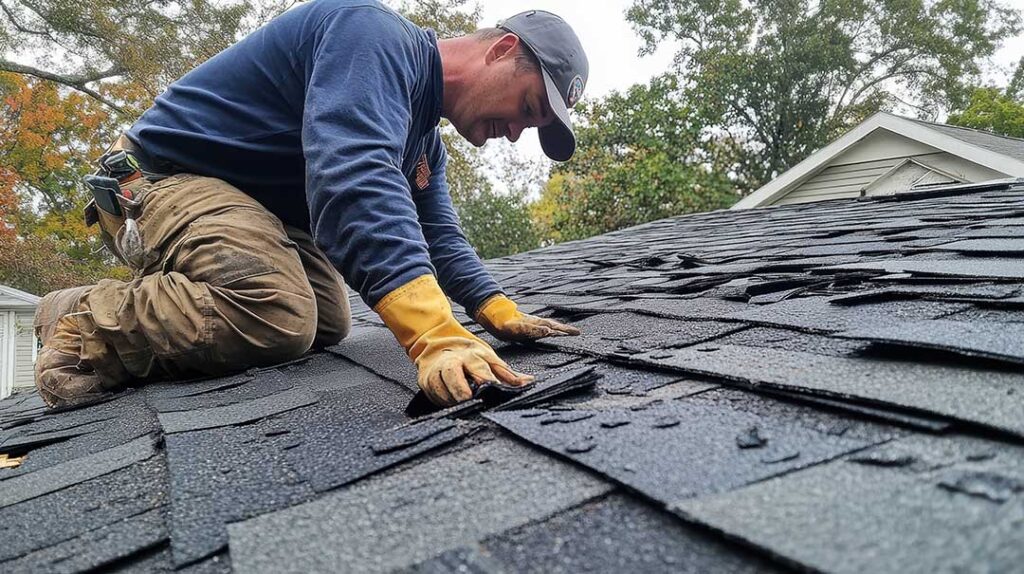
What Counts as an Emergency Roof Repair in Allegany, NY?
An emergency roof repair involves any sudden damage that leaves your home exposed to the elements or at risk for interior damage. In Allegany, winter storms, heavy rains, and high winds are common triggers for these situations. For local households, emergencies can look like:
- Significant leaks causing water to enter living spaces
- Large sections of shingles or metal panels blown off
- Tree limbs punching holes through the roof
- Ice dams causing rapid interior water intrusion
Minor leaks or missing shingles that don’t introduce water inside right away usually don’t require the same immediate action. If water is entering or there’s risk of structural failure, that’s when it’s categorized as an emergency.
What Steps Should You Take Immediately After Noticing Roof Damage?
Prompt, calm action can reduce property damage and keep everyone safe. If you spot damage after a storm or during heavy wind, follow these priorities:
- Ensure everyone in the household is safe—avoid walking under sagging ceilings or wet light fixtures.
- If water is dripping inside, move electronics, rugs, and valuables away. Collect water in buckets or towels.
- Only go outside to inspect if conditions are safe and there’s no lightning, falling debris, or strong wind gusts. If it’s safe, a basic visual check from the ground (using binoculars) helps assess severity.
- If you have attic access and can do so safely, go up and look for obvious holes or dripping water.
It’s unsafe to climb on the roof yourself in wet, icy, or windy weather. Many injuries in the city happen from home repairs done in hazardous conditions.
Are Temporary Repairs Possible for Roof Emergencies?
Temporary repairs can help reduce further water entry until full repair is possible. In Allegany’s climate, keeping the interior dry can sometimes prevent thousands of dollars in damage, but use good judgment:
- Heavy plastic sheeting or tarps can be secured over a hole if it’s small and accessible from a window or safe spot (never on a steep, icy, or high roof).
- Inside, staple plastic sheeting to the rafters or joists above the leak zone and direct water into buckets to minimize ceiling collapse.
- Duct tape or roof patching tape may seal small leaks from inside the attic during rain.
Large holes, structural sagging, or fire risk (from wiring exposed to water) require immediate evacuation of the area. Do not attempt tarp placement during a lightning storm or while the roof is slippery.
How Are Repairs Handled Differently During Winter or Stormy Weather?
Allegany weather can make roof repair difficult or dangerous. Snow loads and ice dams add risks not found in other times of year:
- Snow needs to be gently removed (from the ground if possible) before repairs start—use a roof rake, not a shovel. Chipping at ice dams directly can damage roofing material.
- Temporary repairs may be the only option until a full inspection can be made once conditions are safer.
- Materials may not bond well if it’s below freezing, so check if self-applied patching products can be used in cold temperatures.
Residents sometimes try to melt ice dams with heat cables or salt. Salt can damage shingles and harm local waterways, so avoid using it on the roof.
What Should You Document for Insurance Purposes?
Clear documentation can protect you if you later need to file a claim for storm or wind damage:
- Take photos or videos of interior and exterior damage as soon as it’s safely possible—include date/time if you can.
- Keep receipts for any supplies or materials used for temporary repairs.
- Write a brief summary of what happened, when you discovered the problem, and what steps you took.

Most home insurance providers in the city want to see clear cause (like storm damage) and what was done to protect the home from further damage. Delays or lack of documentation are common sources of confusion during claims.
What Mistakes Should Homeowners in Allegany Avoid During Emergency Roof Situations?
A calm, careful approach is key. Common mistakes made by residents under stress include:
- Climbing onto the roof during a storm or when surfaces are icy, which can lead to severe injuries.
- Using inappropriate patch materials (like regular tar intended for sunny, dry conditions) in a rush.
- Overlooking interior water damage, mold development, or attic wetness—these need to be addressed quickly once the exterior is secure.
- Waiting too long to act, resulting in widespread interior damage that could have been minimized.
For households in the city, the best immediate responses are to keep the situation from worsening while waiting for conditions to improve for a safe, thorough fix.
Are There Local Resources or Agencies to Be Aware Of During a Roof Emergency?
Emergencies may sometimes coincide with citywide outages or disasters that affect many households at once:
- The local Department of Public Works sometimes issues advisories during severe storms about fallen trees, blocked roads, or power outages—check their notifications.
- During extreme weather events, warming centers or shelter information may be announced via official city channels.
Homeowners should be aware of local emergency numbers and stay alert to utility advisories if power lines are down near a damaged roof.
How Can Allegany Residents Prepare for Future Roofing Emergencies?
Preparedness helps reduce risk and makes future emergencies less stressful:
- Regularly inspect your roof, attic, and gutters—especially before and after winter or windy seasons.
- Keep a basic repair kit on hand: heavy plastic sheeting, a staple gun, buckets, and a safe access ladder.
- Know where water shut-off valves and circuit breakers are in case of major leaks.
- Review home insurance details so you understand your coverage for wind, snow, or tree damage.
Neighbors in the city often look out for each other after major storms—sharing information, tools, or just a second set of eyes during emergency repairs.
