
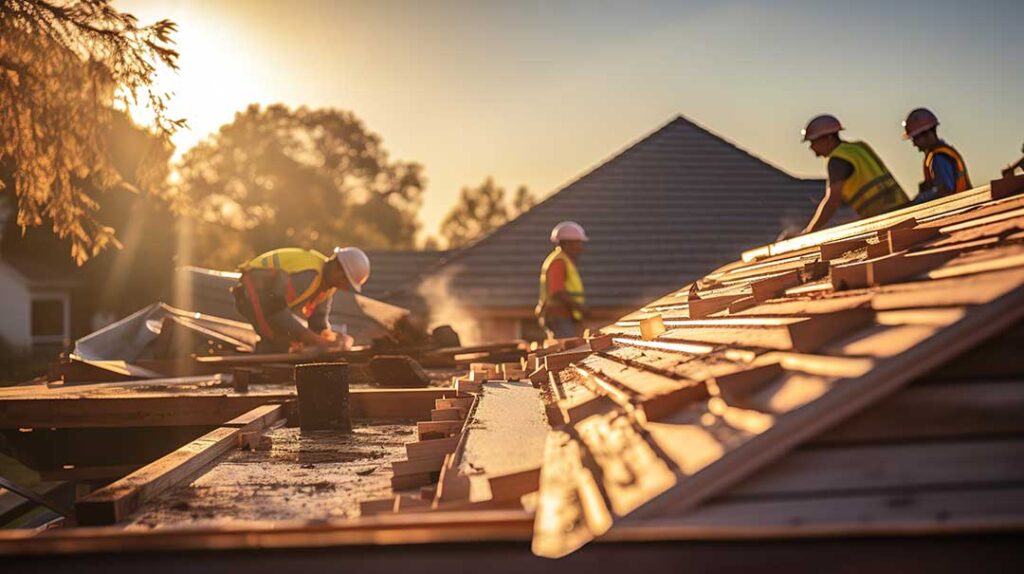
Why do local building codes matter for a roof?
Building codes establish minimum requirements intended to protect a roof’s structure, weather resistance, fire safety, and connection to the rest of the building. For residents of Allegany, NY, these requirements are especially relevant because roofs must perform through snow, ice, freezing temperatures, wind, heavy rain, and repeated seasonal changes.
Roofing rules are not simply about the appearance of shingles. They can affect:
- Whether the roof can support its own materials and accumulated snow
- How water is directed away from walls, windows, and foundations
- Whether ice-dam protection is installed in the appropriate locations
- How flashing, ventilation, insulation, and underlayment are handled
- Whether a roof replacement or structural repair requires a permit and inspection
New York’s Uniform Fire Prevention and Building Code applies throughout the state except within New York City. The state code establishes minimum construction standards, while local code-enforcement officials administer and enforce those requirements for individual projects. ([dos.ny.gov](https://dos.ny.gov/node/13566?utm_source=openai))
Which roofing rules apply in Allegany, NY?
Most residential roof work is evaluated under the New York State Residential Code or the Existing Building Code, depending on the building and the type of work. The current 2025 New York State Uniform Code became fully effective on December 31, 2025. Permit applications submitted after that date generally need to comply with the 2025 code provisions, subject to specific rules and exceptions. ([dos.ny.gov](https://dos.ny.gov/division-building-standards-and-codes-frequently-asked-questions?utm_source=openai))
The Residential Code covers many one- and two-family homes and related accessory structures. Its scope includes construction, alteration, replacement, repair, and other work involving covered buildings. ([dos.ny.gov](https://dos.ny.gov/nys-residential-code-noa-7242025?utm_source=openai))
The Existing Building Code is also significant for older homes. It addresses work such as reroofing, roof replacement, repairs, and alterations to existing structures. That matters in a community with a mix of older houses, additions, garages, barns, and newer construction.
The exact code path can depend on the building’s use, height, construction, previous roof layers, structural condition, and the work described in the permit application.
Does replacing shingles always require a permit?
Not necessarily. A simple repair may be treated differently from a complete roof replacement, structural work, or a project that changes the roof assembly. New York’s Department of State explains that permits are required for work that must comply with the Uniform Code, but the specific permit question should be confirmed with the local code-enforcement authority before work begins. ([dos.ny.gov](https://dos.ny.gov/division-building-standards-and-codes-frequently-asked-questions?utm_source=openai))
A homeowner should ask about permitting before:
- Removing and replacing the entire roof covering
- Adding a second layer of roofing
- Replacing damaged roof sheathing or rafters
- Changing the roof shape, slope, or framing
- Installing skylights, rooftop equipment, or solar panels
- Altering attic insulation or ventilation as part of the roof work
- Repairing damage caused by snow, ice, wind, or fallen trees
A permit is not merely paperwork. It creates a record of the work and gives the code official an opportunity to check important details that may not be visible after the roof is completed.
How do codes address snow and ice?
Snow and ice loads are structural concerns, not just maintenance issues. A roof must be able to transfer expected loads through the roof covering, sheathing, framing, walls, and foundation.
In Allegany, NY, winter conditions can make several details especially important:
- Whether rafters or trusses are adequately sized and supported
- Whether snow can drift against higher roof sections, dormers, or additions
- Whether older framing has deterioration, sagging, or previous alterations
- Whether added roofing layers increase the dead load
- Whether gutters, valleys, and roof edges are vulnerable to ice buildup
The Existing Building Code recognizes that reroofing or equipment replacement can affect structural loads. Where an alteration increases design dead, live, or snow loads by more than five percent, the affected structural elements may need to be upgraded to carry the required loads for new construction. ([dos.ny.gov](https://dos.ny.gov/2024-existing-building-code-new-york-state-2024-ebcnys?utm_source=openai))
This does not mean every reroofing project requires structural reconstruction. It does mean that adding materials over an already heavy or deteriorated roof should not be treated as a cosmetic decision.
Why are underlayment and ice barriers important?
Roof coverings such as asphalt shingles are only one part of the roof system. Underlayment and ice barriers help protect the roof deck when wind-driven rain, melting snow, or ice reaches vulnerable areas.
Code provisions and manufacturer instructions may address protection along eaves, valleys, roof-to-wall intersections, penetrations, and other locations where water can collect or back up. The appropriate detail may vary with the roof slope, covering material, local conditions, and the specific code edition being used.
An ice barrier is particularly relevant in cold-weather regions because snow can melt over warmer portions of a roof and refreeze near colder eaves. That process can force water beneath the roof covering. Properly installed protection does not eliminate every ice-dam risk, but it can reduce the chance that water reaches the roof deck or interior.
Can a new roof be installed over the old one?
Sometimes, but not in every situation. The Existing Building Code permits certain roof recover projects when the existing roof is sound and suitable as a base for the new covering. A recover is generally not permitted where the existing roof is water-soaked, badly deteriorated, made from certain tile materials, or already has two or more roof-covering applications. ([dos.ny.gov](https://dos.ny.gov/2024-existing-building-code-new-york-state-2024-ebcnys?utm_source=openai))
Before covering an old roof, the condition of the deck and existing layers should be considered. Problems that may be hidden under the old covering include:
- Soft or rotted sheathing
- Multiple previous roofing layers
- Trapped moisture
- Improper flashing
- Sagging framing
- Evidence of long-term leakage
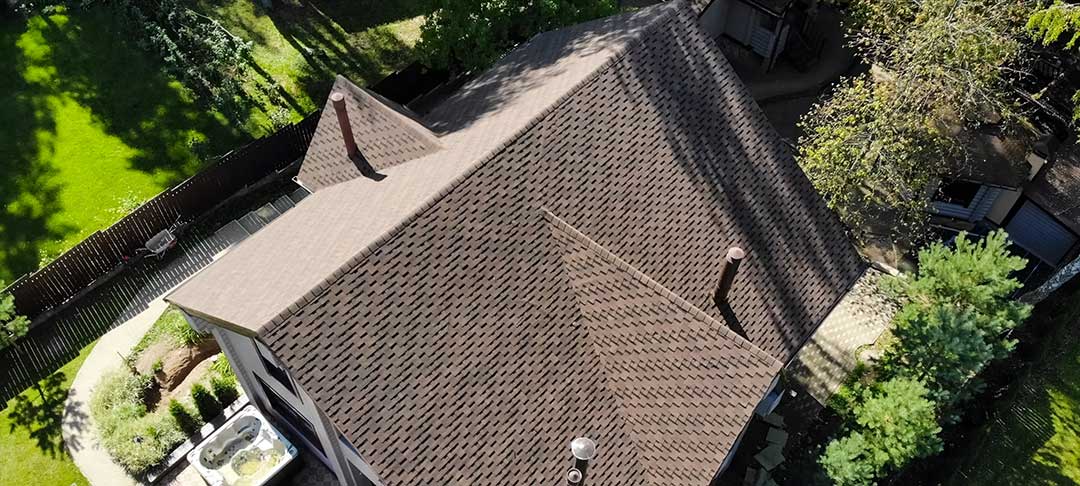
A roof that looks acceptable from the ground may still be unsuitable as a base for additional materials.
What is the difference between state code and local requirements?
New York’s statewide code provides the baseline. Local governments may also adopt certain construction standards that are higher or more restrictive than the state minimum when authorized by law. ([dos.ny.gov](https://dos.ny.gov/node/13566?utm_source=openai))
Local requirements can also affect administration, such as:
- Which office receives permit applications
- How inspections are scheduled
- What documents must accompany an application
- Whether zoning, historic, floodplain, or other local rules apply
- How violations or unsafe conditions are addressed
Because these details can change and may depend on the property’s location and the project scope, homeowners should verify them with the applicable code-enforcement office before purchasing materials or beginning demolition.
What should homeowners ask before starting roof work?
A short set of questions can prevent avoidable problems:
- Is this project considered a repair, reroof, roof replacement, or structural alteration?
- Is a building permit required?
- Which New York State code edition applies to the application?
- Will an inspection be required before the new covering is installed?
- Are multiple existing roof layers permitted?
- Does the roof framing show signs of sagging, damage, or inadequate support?
- Are ice-barrier, flashing, ventilation, and insulation requirements part of the project?
- Will a new roof, equipment, or insulation increase the structural load?
- Are there local zoning or property-specific requirements?
These questions are useful even when the visible work appears straightforward. Roof codes often address concealed components that cannot be evaluated after the covering is installed.
What happens if roofing work does not meet code?
Noncompliant work can create safety, water-intrusion, insurance, resale, and inspection problems. A code violation may require corrective work, additional inspections, or removal of materials that were installed over an unsuitable base.
Code compliance also does not guarantee that a roof will never leak or fail. Building codes establish minimum standards; they do not replace regular inspection, maintenance, proper drainage, or attention to storm and winter damage.
For older homes, records of permits and inspections can be useful when future repairs, additions, insurance questions, or property transfers arise. Keeping project documents, photographs of concealed work, and inspection information provides a clearer history of how the roof was constructed or repaired.
