
Roof warranties can look straightforward until a leak, storm, or repair raises questions about what is actually covered. A warranty may protect the roofing materials, the installation work, or both—but each type has different limits, exclusions, deadlines, and proof requirements.
For homeowners in Allegany, NY, understanding those details before a problem occurs can make it easier to respond to roof damage, especially after winter weather, wind, ice, or repeated freeze-thaw cycles.
What does a roof warranty usually cover?
A roof warranty generally covers either defective roofing materials, faulty installation, or a combination of the two. The first step is identifying which warranty documents apply to the roof.
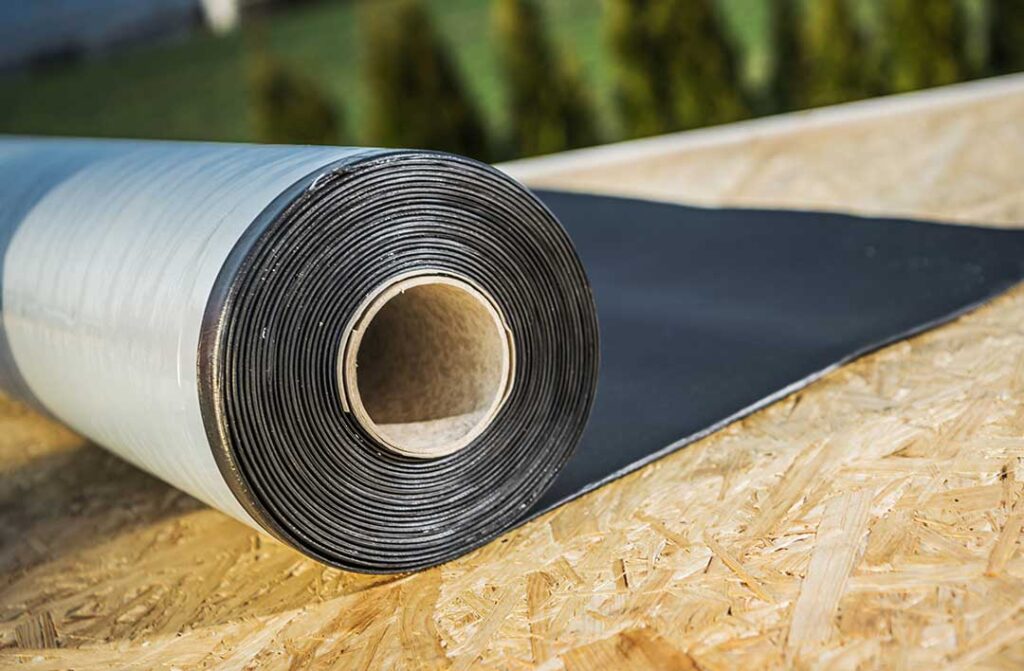
Material warranties are usually provided by the manufacturer. They may cover defects such as premature deterioration, manufacturing flaws, or unusual loss of protective surface material. Coverage often applies only to the roofing products themselves, not to labor, interior damage, or related building components.
Workmanship warranties are provided by the installer or contractor. They typically address installation-related problems, such as improper fastening, inadequate flashing, or incorrect use of roofing materials. The length and terms can vary significantly.
A roof may also be subject to separate warranties for:
- Flashing around chimneys, skylights, or wall intersections
- Ventilation components
- Underlayment or ice-barrier materials
- Gutters or related drainage work
- Repairs completed after the original installation
Do not assume that one warranty covers every part of the roof system. The documents may divide responsibility among several parties.
Where can the warranty terms be found?
The warranty may be included in the closing documents, roofing contract, building records, product registration materials, invoices, or email correspondence. Some homeowners discover that the only available information is a short statement on an invoice, while the detailed terms are in a separate document.
Gather all available records, including:
- The original contract and scope of work
- Final invoices and payment records
- Product names, descriptions, or model information
- Installation dates
- Repair receipts
- Photographs taken before or after the work
- Any warranty registration confirmation
- Written communication about previous leaks or repairs
If the roof was installed before the home was purchased, check whether the warranty is transferable. Some warranties follow the property, while others belong only to the original owner. Transfer may require written notice within a specific period, and some warranties allow only one transfer during the coverage term.
How should the coverage period be calculated?
The stated warranty length does not always tell the whole story. A “limited lifetime” warranty, for example, may not mean the roof is covered for the homeowner’s entire lifetime or that every repair is fully paid.
Check these dates and conditions:
- The date the roof installation was completed
- The date the materials were purchased
- The date the warranty was registered
- The date the home changed ownership
- Any deadline for reporting a suspected defect
- Whether coverage decreases as the roof ages
- Whether labor is covered for the full term or only for an initial period
Some warranties offer full coverage for a limited number of years and then shift to prorated coverage. Under prorated coverage, the manufacturer may pay only a declining portion of the original material cost as the roof gets older.
A warranty may also end if the roof is altered, repaired with incompatible materials, or transferred without following the required procedure.
What exclusions should homeowners look for?
Exclusions are often more important than the headline warranty term. They explain which conditions are considered outside the warranty’s responsibility.
Common exclusions include:
- Wind, hail, falling trees, or other storm damage
- Damage caused by animals, foot traffic, or debris
- Poor attic ventilation or excessive interior moisture
- Structural movement or settling
- Ice dams and water backup
- Damage caused by improper maintenance
- Installation of satellite equipment, solar equipment, or other attachments
- Problems involving chimneys, siding, skylights, or masonry
- Leaks caused by clogged or poorly functioning drainage systems
- Interior damage resulting from an excluded roof condition
Weather-related damage is often handled through a homeowners insurance policy rather than a roofing warranty. A warranty usually addresses defects in materials or workmanship, while insurance generally addresses sudden, accidental events covered by the policy. These are separate forms of protection and should not be treated as interchangeable.
Does a roof warranty cover leaks?
A leak may be covered, but the answer depends on why the roof is leaking. A warranty may respond if the leak results from a defective product or installation error. It may not cover the leak if the underlying cause is storm damage, neglected maintenance, damaged flashing installed by another party, or a structural problem.
The location of the interior stain may not identify the source of the roof problem. Water can travel along rafters, roof decking, insulation, or framing before appearing inside the building. For that reason, a ceiling stain should not automatically be used as proof that a particular shingle, seam, or flashing detail is defective.
In older homes, multiple issues may exist at the same time. A warranty review should distinguish between the original roofing work and later modifications, repairs, or building changes.
What maintenance requirements can affect coverage?
Many warranties require reasonable maintenance. That does not always mean the roof must be professionally serviced, but the homeowner may need to address visible problems and keep records of ordinary care.
Useful records may include:
- Dates of roof inspections
- Photos of damaged or deteriorated areas
- Documentation of snow, ice, or storm events
- Receipts for repairs or replacement materials
- Notes about recurring leaks
- Records showing that gutters and drainage paths were kept clear
In Allegany, seasonal conditions can make documentation particularly useful. Snow accumulation, ice formation, wind-driven rain, and repeated temperature changes may affect roofing materials and drainage details. Clearing debris and observing drainage problems can help demonstrate that the roof received ordinary attention, although maintenance does not guarantee coverage.
Avoid making permanent repairs before documenting the damage. Temporary steps to prevent additional water entry may be necessary, but photographs and written notes should be made first when conditions are safe.
What should be checked before filing a warranty claim?
Before submitting a claim, compare the observed problem with the warranty’s definition of a covered defect. Look for required notice procedures, inspection rules, documentation requirements, and limits on who may perform repairs.
A useful review asks:
1. Is the issue a material defect, an installation defect, or possible storm damage?
2. Is the roof still within the applicable coverage period?
3. Was the warranty transferred correctly?
4. Were required registrations completed?
5. Has another contractor modified the roof?
6. Does the warranty require notice within a specific number of days?
7. Are labor, tear-off, disposal, interior repairs, and replacement materials treated separately?
8. Is there a deductible, service charge, prorated payment, or maximum reimbursement?
Keep communication in writing. Save claim forms, inspection reports, photographs, emails, and any decision explaining whether the claim was accepted, limited, or denied.
What if the warranty claim is denied?
A denial should be reviewed against the actual warranty language rather than the warranty’s advertising summary. Ask which specific section supports the decision and whether the issue was excluded, outside the coverage period, or considered unrelated to the original roofing work.
If the explanation is unclear, request a written description of:
- The suspected cause of the problem
- The inspection findings
- The warranty provision being applied
- Any missing documentation
- The deadline for requesting reconsideration
A second inspection may be useful when the cause is disputed, but the inspection should be independent and carefully documented. Safety concerns—such as unstable roof surfaces, exposed electrical components, major water entry, or structural damage—require caution and may justify qualified assistance rather than do-it-yourself access.
The most reliable way to assess roof warranty coverage is to match the actual cause of the problem with the exact warranty language, while keeping separate records for material defects, workmanship concerns, maintenance, storm damage, and insurance claims.
