

Why Do Homeowners in Allegany, NY Need to Think About Rooftop Safety?
Rooftop work in Allegany carries increased risk due to seasonal weather shifts, slippery surfaces, and common pitched roof designs. Whether cleaning gutters, inspecting shingles after a windstorm, or checking for ice dams, caution protects against falls and injuries. Many local residents assume a sturdy roof means it’s safe to walk or work on, but hidden hazards like moss, frost, loose shingles, or debris can make a roof treacherous in any season.
What Are the Most Common Rooftop Hazards Around Local Homes?
Several specific issues cause injuries on residential roofs:
- Wet leaves, rain, dew, and snow turn surfaces slick, especially in late fall through spring.
- Pitched roofs, prevalent in Allegany, magnify the risk of slipping or rolling.
- Chimneys, skylights, satellite dishes, and vents create tripping dangers.
- Fragile or aged materials may give way unexpectedly.
- Overhead power lines or tree branches can put homeowners at risk for electrical shock or falling limbs.
Awareness of these threats is the first step in prevention.
How Can Residents Prepare for Safe Rooftop Tasks?
Before climbing up, assess if work is urgent and whether it must be done from above. Ground-level tools like extension poles or binoculars may suffice for simple checks. If accessing the roof is unavoidable, preparation should include:
- Wearing slip-resistant shoes or boots with good tread, not sneakers or sandals.
- Dressing for the weather—layering in cold months and avoiding loose clothing that can snag.
- Choosing a clear, dry, calm day. Wind or wet conditions dramatically increase risk.
- Telling someone your plans, just in case help is needed.
Are Ladders Truly a Risk, or Are Most Accidents on the Roof Itself?
Many incidents happen while getting on or off the roof using a ladder. To minimize risk:
- Place ladders on firm, level ground—even slightly uneven lawns or driveways in Allegany can cause wobbling.
- Extend the ladder at least three feet above the roof’s edge for secure transitions.
- Secure the ladder’s feet and never step onto the top rung.
- Maintain three points of contact (both hands and one foot, or both feet and one hand) while climbing.
Improper ladder usage is a leading cause of serious falls, sometimes even before reaching the roof.
What Should You Avoid Doing on the Roof in This Region?
There is a temptation to rush leaf removal or minor repairs, especially before storms or after a winter thaw. However:
- Don’t rush or work in poor visibility, dusk, or darkness—which can arrive quickly during the fall and winter.
- Avoid carrying heavy or unwieldy objects up to the roof; hoist buckets or tools after you’re safely in place with a rope.
- Never work on icy, snow-covered, or rain-slick roofs common in local winters and springs.
- Skip roof access immediately after storms—damage or hidden moisture may increase danger.
What Personal Protective Equipment Makes a Difference?
Basic safety gear greatly reduces the risk for homeowners who must go up themselves:
- Durable work gloves to protect hands from cuts and splinters.
- Eye protection, such as safety glasses, especially when clearing gutters or trimming branches.
- A harness system, anchored to a secure roof structure, for steep or high sections—this is more critical for homes with sharp slopes or two-story layouts typical of some Allegany houses.
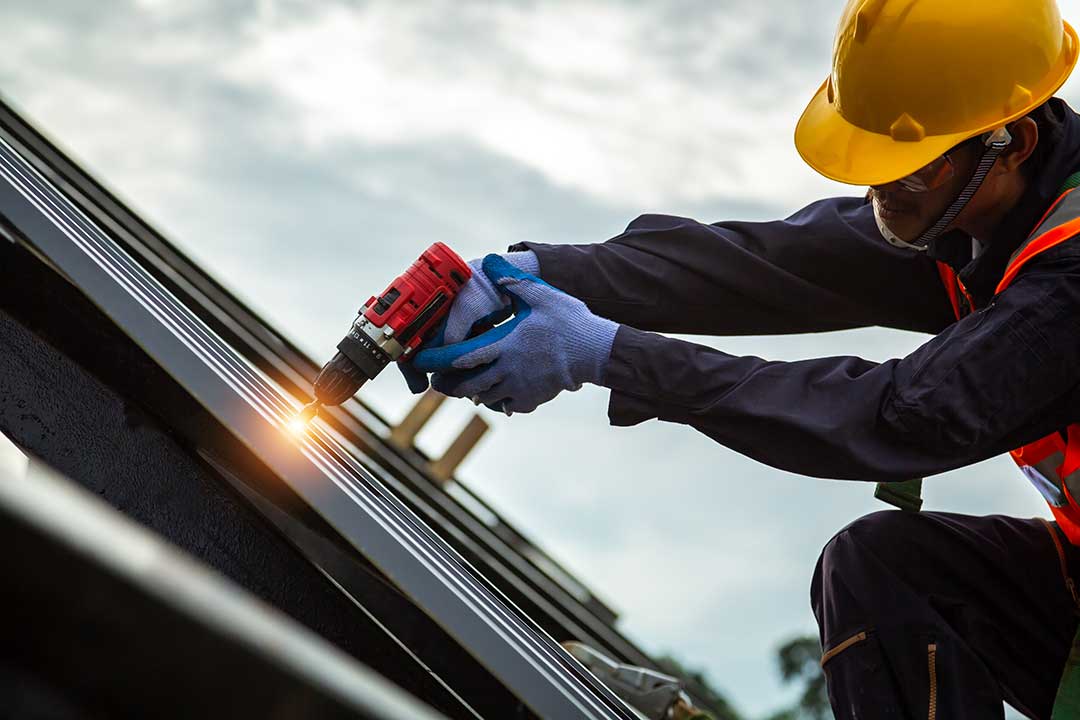
Many overlook gloves and glasses, yet simple gear prevents unexpected injury.
How Do Local Climate and Seasons Change Rooftop Safety Needs?
Area homes face year-round weather shifts:
- Spring: Melting snow and frost can keep shingles damp longer than expected, even on sunny days.
- Summer: Heat softens asphalt shingles, increasing slippage and potential damage underfoot. Early morning is safest.
- Fall: Leaves hide defects and trap moisture; gutters often need cleaning, but mornings can still be slick.
- Winter: Heavy snow loads and ice dams are best removed from the ground, not the roof itself. Refrain from climbing up, as the surface is unpredictable.
Plan rooftop tasks midday, when dew has burned off and surfaces are driest.
What Are the Legal and Insurance Implications for Homeowners?
In Allegany, as elsewhere, serious rooftop accidents may impact insurance coverage and liability. Some policies exclude coverage if homeowners knowingly undertook high-risk home maintenance against advice or manufacturer warnings. Before accessing your roof, review the terms of your homeowner’s policy regarding maintenance and accident coverage. If the work involves wiring, major structural issues, or hazardous materials, professional help may be required for legal compliance and peace of mind.
What Alternatives Are Safe for Routine Home Roof Maintenance?
For local tasks like checking vents, cleaning gutters, or inspecting for moss or loose shingles, safer alternatives include:
- Using a ladder stabilizer and working from the edge rather than climbing fully onto the roof.
- Inspecting and photographing the roof with a long camera pole or drone (in areas where residential drone use is permitted).
- Clearing debris with specialized extension tools designed for ground-level use.
These methods reduce physical risk without sacrificing home care.
What Misconceptions Lead to Most Preventable Injuries?
Several beliefs persist in the community:
- Thinking a young, healthy person is “safe enough” without gear or preparation.
- Assuming a familiar roof is always predictable—materials and conditions change year to year.
- Underestimating how much moisture or shade can affect traction, even in mid-summer.
Better planning, safer alternatives, and honest assessment of ability help homeowners avoid mistakes that lead to minor or major injuries.
